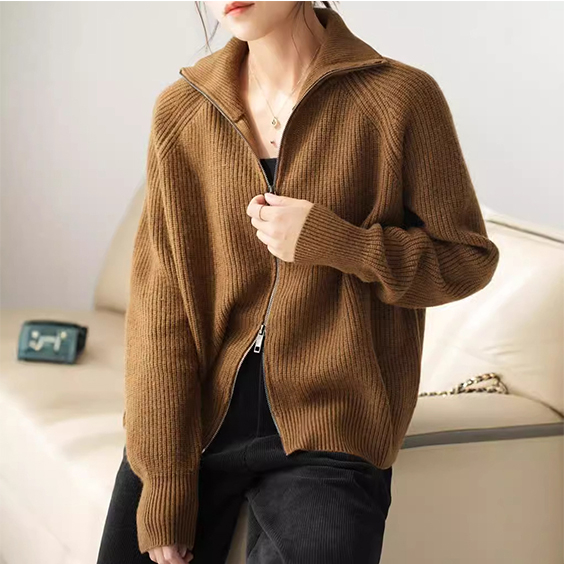
Are you curious about what makes cashmere cardigans so special? These luxurious garments are beloved for their softness and warmth. However, understanding how they are made is just as important as their appeal.
In this guide, we will explore the entire manufacturing process of cashmere cardigan sweaters. From material selection to mass production, you'll learn about the key factors that influence quality and craftsmanship. Join us as we delve into the intricate world of cashmere cardigan sweater manufacturing.
Understanding Cashmere Cardigans
What is a Cashmere Cardigan?
A cashmere cardigan is a luxurious garment made from the soft undercoat of cashmere goats. Known for its lightweight yet warm properties, it's a staple in many wardrobes. Here are some key characteristics:
● Softness: Cashmere fibers are finer than sheep's wool, providing an incredibly soft feel against the skin.
● Warmth: Despite its light weight, cashmere offers excellent insulation, making it perfect for cooler weather.
● Luxury: The unique qualities of cashmere contribute to its high status in the fashion industry, often associated with elegance and sophistication.
The benefits of cashmere as a material extend beyond comfort. Its natural fibers are breathable, allowing for temperature regulation. This means it keeps you warm without overheating, making cashmere cardigans versatile for various occasions.
The Appeal of Cashmere Cardigans
Consumer preference for cashmere cardigans is driven by several factors. People love the soft hand feel, which makes wearing one feel like a gentle hug. Additionally, the accurate fit of a well-made cashmere cardigan enhances its appeal. Here's why they are in demand:
● Visual Refinement: Cashmere cardigans often feature elegant designs and finishes, making them suitable for both casual and formal settings.
● Durability: When cared for properly, cashmere can last for years, maintaining its shape and softness.
Market Trends
The demand for cashmere cardigans, particularly women's cashmere cardigans, has been steadily increasing. Here are some insights into current market trends:
Trend | Description |
Sustainability | Consumers are increasingly seeking ethically sourced and sustainable materials. |
Fashion Versatility | Cashmere cardigans are seen as versatile pieces that can be dressed up or down. |
E-commerce Growth | Online sales of cashmere products have surged, making them more accessible. |
As consumers prioritize quality and sustainability, cashmere cardigans are becoming a go-to choice for those looking to invest in their wardrobe. The combination of softness, warmth, and luxury makes them irresistible, ensuring they remain a popular item in the fashion landscape.
In summary, cashmere cardigans not only provide comfort but also embody elegance and durability. With their growing popularity, understanding their manufacturing process becomes essential for brands looking to meet consumer demands effectively.

Material Selection for Cashmere Cardigans
Types of Cashmere
When it comes to cashmere, not all fibers are created equal. Cashmere is typically graded into three main categories:
● Grade A: This is the highest quality, made from the finest fibers. It typically has a micronnage of 14-15 microns, ensuring exceptional softness and warmth.
● Grade B: This grade is slightly coarser, ranging from 16-18 microns. While still suitable for many products, it may not offer the same luxurious feel as Grade A.
● Grade C: The lowest quality, often used for blended fabrics. These fibers can exceed 18 microns and may lack the softness and durability of higher grades.
Fiber length also plays a crucial role in determining the quality of a cashmere cardigan sweater. Longer fibers contribute to strength and reduce pilling, while finer fibers enhance the overall softness. Micronnage standards help manufacturers ensure they are sourcing high-quality materials.
Sourcing High-Quality Cashmere
Selecting the right supplier is essential for producing a quality cashmere cardigan. Here are some key factors to consider:
● Reputation: Look for suppliers known for their quality and reliability. Research their history and customer reviews.
● Ethical Practices: Ensure that the supplier adheres to ethical sourcing practices. This includes fair treatment of workers and sustainable farming methods.
Ethical sourcing is not just a trend; it impacts brand reputation significantly. Consumers are increasingly aware of the origins of their garments. Brands that prioritize ethical practices can enhance their image and attract a loyal customer base.
Blending Cashmere with Other Fibers
Blending cashmere with other fibers can offer several advantages. Here's why it's often done:
● Cost-Effectiveness: Blends like cashmere-wool or cashmere-silk can reduce production costs while maintaining a luxurious feel.
● Durability: Blending can enhance the durability of the fabric. For example, wool adds strength, reducing pilling and wear over time.
The ply structure also affects performance. A 2-ply cashmere yarn, for instance, offers better shape retention and resistance to abrasion compared to single-ply options.
Blend Type | Advantages | Considerations |
Cashmere-Wool | Increased durability | May reduce softness |
Cashmere-Silk | Enhanced luxury and sheen | Higher cost |
Cashmere-Acrylic | Cost-effective, lightweight | Reduced breathability |
Understanding these factors in material selection is crucial for manufacturers aiming to produce high-quality cashmere cardigan sweaters. By carefully choosing fibers and blends, brands can deliver products that meet consumer expectations while ensuring durability and comfort.
The Manufacturing Process of Cashmere Cardigans
Step 1: Yarn Preparation
The journey of a cashmere cardigan sweater begins with yarn preparation. Various yarn types are used, each influencing the final product's quality. Here's a quick overview:
● Single-Ply Yarn: This is softer but may lack durability.
● Two-Ply Yarn: Offers more strength and a fuller feel, ideal for cardigans.
● Blended Yarn: Combining cashmere with other fibers can enhance performance.
Quality is paramount in yarn selection. Testing for tensile strength ensures the yarn can withstand wear, while pilling resistance is crucial for maintaining a smooth appearance. Higher quality yarns lead to better finished products.
Step 2: Knitting Techniques
Once the yarn is ready, the next step is knitting. Two primary methods are commonly used:
● Flat Knitting: Produces two pieces that are later sewn together. It allows for intricate designs but can be less flexible.
● Circular Knitting: Creates a seamless tube, which is more comfortable and allows for a better fit.
Each method has its pros and cons. Flat knitting can offer detailed patterns, while circular knitting provides a smoother finish and reduces seams, enhancing comfort.
Step 3: Linking and Sewing
After knitting, linking and sewing come into play. This step is crucial for creating a well-structured cardigan. Here's what to consider:
● Linking Techniques: These involve connecting pieces without visible seams, enhancing aesthetics.
● Seam Strength: Strong seams are vital for durability. Reinforcement stitches can be added to areas prone to stress, ensuring longevity.
Proper linking and sewing techniques contribute significantly to the overall quality of the cashmere cardigan sweater.
Step 4: Washing and Finishing
Washing is an essential step in the manufacturing process. It serves multiple purposes:
● Softening and Shaping: Washing removes impurities and helps fibers relax, enhancing softness.
● Finishing Processes: Techniques like de-hairing and anti-pilling treatments improve the fabric's feel and appearance. Steam shaping further refines the garment, ensuring it retains its intended shape.
These finishing touches are what elevate a cashmere cardigan from good to exceptional.
Step 5: Quality Control Measures
Quality assurance is critical throughout the manufacturing process. Here are common checks performed:
● Stitch Evenness: Ensures a uniform look and feel.
● Color Fastness: Tests how well the color holds up after washing.
● Dimensional Accuracy: Verifies that the cardigan meets specified measurements.
Implementing rigorous quality control measures helps maintain high standards for cashmere cardigan sweaters. This attention to detail not only satisfies customers but also builds brand loyalty.
Mass Production Considerations
Scaling Up Production
Transitioning from small batch to mass production presents unique challenges. Maintaining quality during this shift is crucial. Here are some key points to consider:
● Quality Control: As production scales, the risk of quality variations increases. Implementing strict quality control measures helps mitigate this risk.
● Weight Standards: Consistency in weight is vital for cashmere cardigan sweaters. This ensures that each piece meets customer expectations.
● Tolerance Control: Establishing clear tolerance levels for dimensions helps maintain uniformity across batches.
These factors are essential for ensuring that the final product remains true to the brand's quality standards.
Managing Production Timelines
Setting realistic lead times is another critical aspect of mass production. Here's what to keep in mind:
● Yarn Availability: The supply chain for high-quality cashmere can be unpredictable. It's essential to have reliable sources and contingency plans.
● Market Demand: Understanding seasonal trends and consumer preferences can help in planning production schedules effectively. This ensures that the right products are available at the right time.
A well-managed timeline can significantly impact overall efficiency and customer satisfaction.
Cost Management in Mass Production
Cost management is vital when scaling production. Here are some factors to consider:
● Material Costs: High-quality cashmere can be expensive. However, securing bulk purchasing agreements can help reduce costs.
● Labor Costs: Efficient labor practices can optimize production without sacrificing quality. Training workers in best practices is key.
● Overhead Costs: Keeping overhead low while maintaining quality is a balancing act. Streamlining operations can help achieve this.
Strategies for Optimizing Costs
To optimize costs without compromising on quality, consider the following strategies:
Strategy | Description |
Bulk Production Efficiencies | Producing larger quantities can reduce per-unit costs. |
Supplier Negotiations | Building long-term relationships with suppliers can lead to better pricing. |
Process Automation | Investing in technology can streamline production, reducing labor costs. |
By focusing on these areas, manufacturers can effectively control costs while producing high-quality cashmere cardigan sweaters. This balance is essential for long-term success in the competitive fashion market.

Marketing and Selling Cashmere Cardigans
Target Market Analysis
Identifying the ideal customer for cashmere cardigans is crucial for effective marketing. Here are some insights:
● Demographics: Typically, the target market includes affluent consumers, often aged 25-55, who value quality and luxury in their clothing.
● Lifestyle Preferences: These customers appreciate sustainable fashion and are likely to invest in timeless pieces that offer both style and comfort.
Understanding market demands can vary by region. For instance, consumers in colder climates may prioritize warmth and layering options, while those in milder areas might look for lighter styles. This regional differentiation is essential for tailoring marketing strategies.
Effective Branding Strategies
Building a strong brand around quality and sustainability is vital in the cashmere market. Here's how to approach it:
● Highlighting Quality: Emphasize the superior craftsmanship and materials used in the cashmere cardigan sweater. This can be done through detailed product descriptions and visuals that showcase the texture and feel.
● Storytelling: Sharing the story behind the product adds depth. Highlighting the artisans, sourcing practices, and the journey of the cashmere from goat to garment can resonate with consumers.
This narrative not only enhances brand loyalty but also reinforces the value of investing in a cashmere cardigan.
Distribution Channels
Choosing the right distribution channels is key to reaching your target audience effectively. Here's an overview:
● Retail vs. Online Sales: While traditional retail offers a tactile experience, online sales have surged, especially post-pandemic. E-commerce allows for a broader reach and often lower overhead costs.
● Impact of E-Commerce: Online platforms enable brands to showcase their cashmere cardigan sweaters through engaging content, customer reviews, and targeted ads, making it easier to connect with potential buyers.
Channel Type | Advantages | Considerations |
Physical Retail | Direct customer interaction, instant purchase | Higher overhead costs, limited reach |
E-Commerce | Wider audience, lower costs | Requires investment in digital marketing |
Pop-Up Shops | Creates buzz and exclusivity | Temporary nature, requires effective planning |
Selecting the right sales channels can greatly influence the success of cashmere cardigan sales. It's about finding the balance between visibility and accessibility, ensuring that customers can easily find and purchase their desired products.
Conclusion
This guide outlines the cashmere cardigan manufacturing process, from material selection to mass production. It emphasizes the significance of maintaining quality and sustainability throughout production. Understanding these intricacies is essential for consumers. By choosing high-quality cashmere products, customers can enjoy luxurious comfort and durability. At Imfield, our cashmere cardigans combine superior craftsmanship with ethical sourcing, providing exceptional value for discerning buyers.
FAQ
Q: What is a cashmere cardigan sweater?
A: A cashmere cardigan sweater is a luxurious garment made from soft cashmere fibers, known for its warmth and comfort.
Q: How is a cashmere cardigan sweater made?
A: The manufacturing process involves yarn preparation, knitting, linking, washing, and quality control to ensure high standards.
Q: Why choose a cashmere cardigan sweater over other materials?
A: Cashmere offers superior softness, warmth, and durability compared to other sweater materials, making it a worthwhile investment.
Q: What factors affect the cost of cashmere cardigan sweaters?
A: The price is influenced by yarn quality, production methods, and brand reputation, which all contribute to the overall value.
Q: How can I ensure the quality of my cashmere cardigan sweater?
A: Look for reputable brands, check for even stitching, and consider the weight and feel of the fabric before purchasing.