Introduction
Is Cashmere worth the investment this fall and winter? Many people want comfort, but they also want style and durability. That is why Cashmere keeps gaining attention each season.
In this article, we will explore 9 Cashmere knits for Fall/Winter 2026. You will learn which styles matter most, how to choose quality pieces, and how to build a versatile wardrobe with Cashmere.
Why Cashmere Remains a Top Choice for Fall/Winter 2026
What Makes Cashmere Unique Compared to Wool and Other Knits
Cashmere continues to stand out in the world of knitwear because it delivers a rare balance of comfort, performance, and long-term value. When people compare it to wool or synthetic fibers, they quickly notice how different it feels and behaves in daily wear. It feels softer against the skin, yet it still provides excellent insulation in colder months.
Unlike heavier knit materials, it adapts well to changing temperatures. That makes it especially useful for transitional weather in fall and early winter.
| Feature | Cashmere | Wool | Synthetic Knits |
| Softness | Extremely soft, smooth feel | Can feel coarse or itchy | Varies, often less natural |
| Warmth-to-weight ratio | High warmth, very lightweight | Warm but heavier | Moderate warmth |
| Breathability | Excellent airflow | Good but less refined | Often less breathable |
| Durability | Long-lasting if cared properly | Durable but bulkier | Can wear out faster |
Another reason why cashmere is considered premium comes from how it is sourced and processed. It requires careful harvesting from undercoats of goats, which limits supply. That process increases both cost and perceived value. When people invest in cashmere, they usually expect it to last for years rather than just one season.
Key Cashmere Trends for Fall/Winter 2026
Cashmere in Fall/Winter 2026 is no longer just about basic sweaters. It evolves into more expressive, design-driven pieces while still keeping its core comfort appeal. Designers focus on texture, structure, and versatility, which gives buyers more options beyond traditional styles.
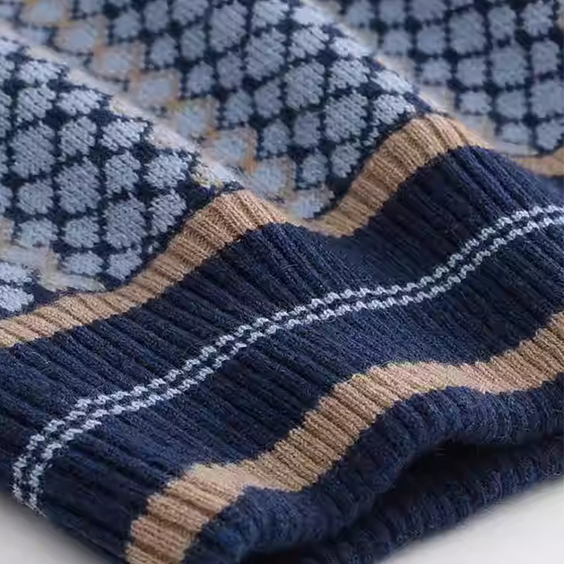
Textured knits are becoming more popular, including ribbed, cable, and brushed finishes that add visual depth
Oversized silhouettes continue to grow, offering relaxed fits that work well for layering and casual styling
Heritage-inspired designs return, with classic patterns and timeless cuts adapted for modern wardrobes
These trends reflect a shift toward pieces that feel both comfortable and intentional. People are no longer buying just for warmth; they want garments that also communicate personal style.
Sustainability also becomes a major focus in 2026. More consumers are asking where their cashmere comes from and how it is produced. Brands respond by improving transparency and offering better sourcing practices.
Traceable supply chains help buyers understand the origin of the fiber
Certifications and ethical sourcing become key selling points
Recycled or blended cashmere options appear more frequently in the market
This shift changes how people evaluate products. It is not just about softness anymore. They care about responsibility, durability, and long-term impact.

9 Cashmere Knits To Consider For Fall/Winter 2026
Crew Neck Cashmere Sweater
The crew neck cashmere sweater remains the most dependable piece in any fall or winter wardrobe. It offers a clean neckline and a balanced silhouette, which makes it easy to wear across different occasions. People often rely on it for daily outfits because it layers smoothly under coats without adding bulk. It also pairs well with both casual and tailored pieces, so it fits into many styling scenarios without effort. When choosing one, a medium-weight fabric works best since it provides warmth while staying breathable and flexible throughout the day.
V-Neck Cashmere Sweater
The V-neck cashmere sweater introduces a more refined look while still maintaining comfort. It works especially well in smart-casual environments where layering matters. The neckline allows shirts or lightweight layers to be visible, which adds depth to an outfit. This design often feels more structured than a crew neck, so it suits office settings or semi-formal occasions. A moderate V shape tends to look more modern, while overly deep cuts may feel less versatile over time.
Cashmere Cardigan
The cashmere cardigan stands out for its flexibility and ease of use. It can function as a light outer layer or as part of a layered outfit, depending on the temperature. This adaptability makes it particularly useful during transitional weather. A structured cardigan offers a more polished look, while a relaxed version creates a softer and more casual appearance. Many people prefer it because they can adjust their outfit quickly without changing pieces, especially when moving between indoor and outdoor environments.
Cashmere Turtleneck (Roll Neck)
The cashmere turtleneck provides both warmth and a strong visual presence. It covers the neck area effectively, which reduces the need for additional accessories in mild winter conditions. This style is often associated with minimalist wardrobes because it creates a clean and uninterrupted silhouette. It works well under coats and jackets, allowing the overall outfit to appear more streamlined. Dark tones tend to enhance its formal feel, while lighter shades create a softer and more relaxed impression.
Cashmere Hoodie
The cashmere hoodie reflects a shift toward combining comfort with premium materials. It keeps the familiar shape of a traditional hoodie but upgrades the experience through softness and lightweight warmth. This piece works well in casual settings, such as travel or weekend wear, while still feeling more refined than standard cotton options. It pairs easily with both relaxed and slightly tailored pieces, which makes it more versatile than expected for a casual garment.
Cashmere Polo Knit
The cashmere polo knit sits between formal and casual styles, offering a balanced option for modern wardrobes. The collar introduces structure without making the piece feel overly formal. This makes it suitable for work environments where comfort is still important. It also transitions well into leisure settings, so it becomes a practical choice for people who want fewer but more versatile items. Compared to standard sweaters, it often delivers a slightly sharper and more intentional look.
Zip-Up Cashmere Knit
The zip-up cashmere knit focuses on functionality while maintaining a refined appearance. It allows quick adjustments depending on temperature, which makes it practical for everyday use. This piece works well for commuting or travel because it can be opened or closed easily without disrupting the overall outfit. It also layers comfortably over shirts or under heavier outerwear, giving it a flexible role in a winter wardrobe.
Cashmere Scarf
The cashmere scarf offers a simple way to experience the benefits of cashmere without committing to a full garment. It provides warmth while adding texture and depth to an outfit. This accessory can elevate even basic outerwear, making it a useful addition during colder months. Longer designs allow more styling options, while neutral tones help maintain versatility across different looks.
Cashmere Beanie
The cashmere beanie combines practicality with a softer and more comfortable feel compared to standard wool hats. It helps retain heat effectively without adding unnecessary weight. This makes it suitable for extended wear, especially in colder climates. It also integrates easily into most winter outfits, providing a subtle upgrade to everyday essentials. For many people, it serves as an accessible starting point when exploring cashmere products.
How to Choose, Style, and Care for Cashmere Knits
How to Choose High-Quality Cashmere
Choosing high-quality cashmere requires more than just checking the label. We often rely on touch, structure, and fiber behavior to judge whether a piece will last. A good cashmere knit feels soft yet slightly resilient. If it feels overly silky, it may have been over-processed, which can weaken the fibers over time.
Fiber Length & Fineness: Longer fibers create smoother yarns and reduce pilling over time. Short fibers tend to break more easily, which leads to fuzzing after a few wears. When we touch the surface, it should feel even and consistent rather than loose or hairy
Ply & Yarn Construction: Multi-ply yarns, especially 2-ply or higher, provide better durability and warmth. Single-ply knits may feel lighter at first, but they often lose shape faster. We usually choose balanced construction instead of just softness
Knit Density & Recovery: A dense knit holds its structure better and resists stretching. When we gently pull the fabric and release it, it should return quickly to its original form. Loose knits may look soft but often lack long-term stability
| Quality Factor | What to Look For | Why It Matters |
| Fiber Length | Long, fine fibers | Reduces pilling, improves lifespan |
| Ply | 2-ply or higher | Enhances durability and insulation |
| Knit Density | Tight, even stitching | Maintains shape over time |
| Elastic Recovery | Returns to shape quickly | Prevents sagging |
Best Colors and Styles for a Versatile Wardrobe
A versatile cashmere wardrobe starts from smart color selection and adaptable styles. We usually build from neutral tones, then add seasonal colors to keep the look fresh. This approach helps us create outfits without overthinking combinations.
Neutral Foundation Colors: Shades like black, grey, navy, and camel form the base of most wardrobes. They match easily with different outfits and work across seasons. These colors reduce decision fatigue and increase wear frequency
Seasonal Accent Tones: Colors like burgundy, forest green, or soft blue add depth without overwhelming the wardrobe. They bring variation while still remaining easy to style with neutrals
Timeless Knit Styles: Crew necks, cardigans, and turtlenecks tend to stay relevant longer. Trend-driven designs can be useful, but we often balance them with classic pieces to maintain flexibility
When we build a capsule wardrobe, we usually start with two or three neutral pieces. Then we add one statement item to create contrast and variety.
How to Style Cashmere for Different Occasions
Cashmere adapts well to different situations, which makes it one of the most practical materials in a wardrobe. We can shift between casual and formal looks by adjusting layers and pairings. The key is to keep balance and avoid unnecessary bulk.
Casual Everyday Looks: A cashmere sweater paired with jeans or relaxed trousers creates a clean and comfortable outfit. It feels effortless, yet still refined compared to standard knitwear
Smart-Casual & Workwear Styling: Pairing a V-neck or polo knit with tailored trousers creates a structured appearance. Adding a blazer can elevate the look without sacrificing comfort
Travel & Layering Strategy: Lightweight cashmere works well for travel because it packs easily and adapts to temperature changes. Layering from light to heavy allows better control throughout the day
| Occasion | Styling Approach | Key Pieces |
| Casual | Relaxed and simple | Crew neck + denim |
| Workwear | Structured layering | V-neck + blazer |
| Travel | Lightweight flexibility | Zip-up knit + soft pants |
How to Care for Cashmere Properly
Proper care helps cashmere maintain its softness and structure over time. Many people assume it is difficult to maintain, but it becomes manageable once we follow a few consistent habits. Gentle handling is always more important than frequent washing.
Washing & Cleaning Method: Use cold water and mild detergent when washing. Hand washing is preferred, but a delicate machine cycle can also work. Harsh chemicals or hot water can damage fibers and reduce softness
Drying & Shape Maintenance: Always lay the garment flat to dry and reshape it gently while damp. Hanging may stretch the fibers and distort the original fit
Storage & Pilling Prevention: Fold cashmere instead of hanging it. Store it in breathable bags to protect against dust and moths. When pilling appears, use a fabric comb instead of pulling fibers by hand
Conclusion
Cashmere remains essential for Fall/Winter 2026. These nine styles offer comfort, versatility, and lasting value. IMField delivers premium cashmere with reliable quality and practical design, helping customers build durable, stylish wardrobes.
FAQ
Q: What is Cashmere and why is it popular?
A: Cashmere is a soft fiber from goats. It offers warmth, light weight, and comfort.
Q: How do I choose good Cashmere knitwear?
A: Check fiber length, density, and softness. Good Cashmere keeps shape and resists pilling.
Q: Is Cashmere better than wool?
A: Cashmere feels softer and lighter. It provides better comfort but needs careful care.
Q: How should I style Cashmere in winter?
A: Use layering with jackets or coats. Cashmere works for casual and work outfits.
Q: How do I care for Cashmere properly?
A: Wash gently in cold water. Dry flat and store folded to keep Cashmere in good condition.