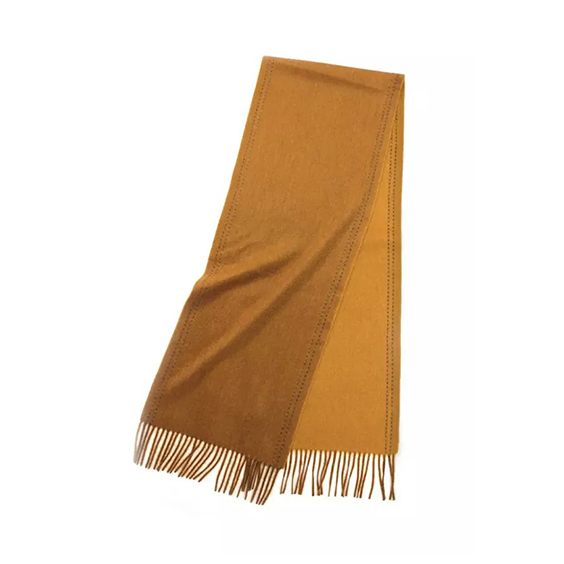
Maintaining a high-quality cashmere scarf requires balancing necessary hygiene with strict fiber preservation. Improper cleaning is the leading cause of irreversible fiber damage, including felting and shrinkage. Consumers often struggle to remove skin oils, environmental odors, makeup, and stains without compromising the delicate structure of the garment. To maximize the lifespan of your garment, a systematic evaluation of cleaning methodologies is necessary. Comparing professional dry cleaning against controlled DIY hand-washing protocols reveals the most effective ways to protect the fabric. This guide details the exact technical care methods and risk mitigation strategies needed to clean and preserve your investment. We will break down the microscopic anatomy of the wool, evaluate the chemical impacts of various detergents, and outline a step-by-step protocol for safe submersion. By following these field-tested techniques, you prevent thermal shock and mechanical damage, ensuring the knit retains its original loft and dimensions.
Fiber Vulnerability: Cashmere fibers degrade under high pH levels, extreme heat, and physical agitation; controlling these variables is non-negotiable.
Optimal Methodology: Submersion hand-washing in cold-to-lukewarm water using pH-neutral detergents remains the industry-standard recommendation over chemical dry cleaning.
Risk Mitigation: Never wring, hang-dry, or machine-agitate cashmere; structural integrity is maintained through flat-drying and gentle towel pressing.
Product Selection: Standard laundry detergents strip natural oils from cashmere; specialized cashmere shampoos or mild baby shampoos are required to maintain loft and softness.
Table of Contents
Toggle
How to Keep Your Cashmere Scarf Soft and Long-Lasting
Understanding Cashmere Fiber Anatomy
Cashmere wool consists of microscopic protein fibers covered in overlapping scales. These scales react highly to environmental changes. When exposed to heat, moisture, and friction, the scales expand and interlock. This interlocking process causes irreversible felting and shrinkage, fundamentally altering the texture and dimensions of the garment. Preserving the structural integrity of a cashmere scarfmeans strictly controlling these three variables during any cleaning process. The cuticle of the fiber acts as a protective outer layer. If the cuticle is damaged by harsh alkaline detergents, the inner cortex is exposed, leading to brittle, snapping yarns. You must treat the material with the same chemical caution you would apply to human hair. Maintaining the natural lipid layer on the fiber surface ensures the garment remains water-repellent and soft.
Felting is a mechanical failure of the fabric structure. Once the scales lock together, no chemical or physical process can reverse the damage. The fabric becomes dense, stiff, and significantly smaller. To prevent this, you must eliminate mechanical agitation during the washing phase. Water acts as a lubricant, allowing the scales to open slightly. If you introduce friction while the scales are open, they will snag on adjacent fibers. This is why wringing or scrubbing a wet knit guarantees destruction. Understanding this microscopic behavior dictates every step of the care protocol.
Assessing the Need for Full Submersion vs. Spot Cleaning
Determine when to wash your garment by evaluating visual stains, odor accumulation, and seasonal transitions. Over-washing strips natural oils and accelerates fiber degradation. Natural cashmere fibers possess inherent antibacterial and odor-resistant properties. Minor blemishes often require only targeted spot-cleaning rather than full submersion. Reserve full washing for end-of-season care or when widespread odor and soil accumulation dictate a complete cleanse. You should establish a triage system for garment care.
Assess the garment for localized spills like coffee or makeup.
Smell the fabric to detect embedded environmental odors like smoke or cooking oils.
Check the collar area for accumulated skin oils and dead skin cells.
Determine if the garment is transitioning into long-term seasonal storage.
Spot cleaning involves applying a diluted neutral detergent directly to a stain using a clean, white cotton cloth. You dab the area gently without rubbing. Rubbing forces the pigment deeper into the yarn and triggers localized felting. After lifting the stain, you dab the area with clean water to remove soap residue. This targeted approach extends the time between full submersions, preserving the overall integrity of the knit.
Best Ways to Clean a Cashmere Scarf
Choosing the right cleaning method directly impacts the longevity of your garment. You must weigh the chemical risks of dry cleaning against the mechanical risks of machine washing. Below is a detailed comparison of the three primary approaches used in garment care.
Methodology
Chemical Impact
Mechanical Risk
Best Application
Hand Washing
Low. Uses pH-neutral agents that preserve natural lanolin.
Low. Passive soaking eliminates friction and scale interlocking.
Low. No water is used, preventing scale expansion.
Severe oil-based stains or highly structured woven pieces.
Machine Washing
Medium. Depends entirely on the detergent selected.
Extreme. Agitation guarantees felting even on delicate cycles.
Never recommended for high-value investments.
Hand Washing: The Industry Standard
Hand washing provides complete control over water temperature and physical agitation. Submerging the fabric in water restores natural moisture to the fibers, keeping them supple. Proper care is especially rewarding when applied to ultra-soft pure cashmere scarves, as gentle hand washing locks in the luxurious drape and cloud-like hand-feel season after season. While this method is time-intensive and requires specific flat-drying space, it remains the safest and most effective way to maintain the loft and softness of the knit. You control the environment entirely. By manually mixing the detergent and monitoring the water temperature, you eliminate the variables that cause thermal shock. The passive soaking technique allows the surfactant to lift dirt without requiring mechanical force.
Dry Cleaning: Chemical Trade-Offs
Dry cleaning utilizes solvents like perchloroethylene (perc) to remove stains without water. However, these chemicals extract the natural lanolin oils from cashmere, leading to brittle fibers over time. Dry cleaning is strictly necessary only for severe oil-based stains or heavily structured woven scarves that might lose their shape if submerged in water. If you repeatedly dry clean a knit, you will notice a distinct loss of softness. The fabric will feel harsh and dry. You should only utilize this method as a last resort for stains that water-based surfactants cannot break down, such as heavy grease or industrial oils.
Machine Washing: High-Risk Automation
Using a washing machine carries severe risks, even on delicate or hand-wash cycles. Mechanical agitation causes the fiber scales to lock together, resulting in felting. If you must attempt this method, strict parameters apply. You must use a mesh garment bag, select a zero-spin cycle, and use exclusively cold water to minimize friction and thermal shock. Even front-loading machines with gentle tumbling action pose a threat. The weight of the wet fabric dropping against the drum creates enough impact to trigger scale interlocking. Avoid machine washing entirely to protect your investment.
Step-by-Step Guide to Hand Washing a Cashmere Scarf
Selecting the Appropriate Cleansing Agent
Standard biological detergents contain protease enzymes designed to break down protein stains like blood or food. Because cashmere is a protein fiber, these enzymes will literally digest and weaken the fabric. Specialized cashmere detergents or mild baby shampoos are mandatory. Some experts use a trace amount of hair conditioner to soften scratchy fibers. Cationic surfactants in the conditioner coat and smooth the scales, but you must rinse thoroughly to prevent heavy residue buildup. You must read the ingredient labels on your laundry supplies. Look for terms like "pH-neutral" and "enzyme-free."
If you choose to use the conditioner hack, proceed with caution. You only need a drop the size of a pea for an entire basin of water. Dissolve it completely before introducing the garment. The cationic polymers will bind to the negatively charged damaged areas of the fiber cuticle, creating a temporary smoothing effect. However, if you use too much, the fabric will feel heavy, greasy, and will attract dust and dirt more rapidly during wear.
Water Preparation and Detergent Dissolution
Thermal shock occurs when fibers experience sudden temperature changes. Fill a clean basin with lukewarm water, objectively defined as 20°C to 30°C (68°F to 86°F). Completely dissolve the detergent in the water before submerging the garment. Direct contact with concentrated soap can spot-stain the dye or compromise the protein structure. You must agitate the water manually to ensure the surfactant is evenly distributed. If you see streaks of soap in the water, keep mixing. Never pour detergent directly onto the dry fabric.
Clean the basin thoroughly to remove any residue from previous cleaning chemicals.
Measure the water temperature using a digital thermometer to ensure it stays below 30°C.
Add the measured dose of pH-neutral detergent to the water.
Agitate the water with your hands until a uniform, light lather forms.
Submersion and Soak Duration Dynamics
Submerge the cashmere scarf and allow it to sit passively. Do not rub, scrub, or agitate the fabric. The optimal soaking window is 10 to 15 minutes. This duration dissolves grime and body oils without causing excessive fiber swelling, dye bleeding, or weakening of the knit structure. Press the fabric gently beneath the surface of the water to ensure it is fully saturated. You will see air bubbles escape as the water penetrates the yarn. Once saturated, leave it alone. Extended soaking beyond 30 minutes can cause the dyes to migrate and the fibers to swell excessively, making them more prone to mechanical damage during the extraction phase.
The Rinsing and Extraction Phase
Drain the soapy water and refill the basin with clean water at the exact same temperature to avoid thermal shock. Gently press the soapy water out of the fabric. Repeat this draining and refilling process until the water runs clear. To extract moisture, use the press and squeeze method. Never twist or wring the fabric, as this snaps the delicate fibers and permanently distorts the shape. You must support the weight of the wet garment from underneath when lifting it out of the basin. Wet wool is incredibly heavy and fragile. If you pull it by one end, the weight of the water will stretch the yarn beyond its elastic limit, causing permanent deformation.
How to Dry a Cashmere Scarf Properly
Flat Drying and Blocking Mechanics
Lay the wet garment flat on a clean, dry towel. Roll the towel up like a sleeping bag and apply gentle downward pressure to absorb excess moisture. Unroll the towel and transfer the garment to a fresh, dry towel or a mesh drying rack. Practice blocking by gently reshaping the damp fabric to its original dimensions. Keep the drying setup away from direct sunlight and artificial heat sources to prevent localized shrinkage and fading. Blocking is a critical step. You must align the side seams and ensure the edges are straight. If you allow the fabric to dry in a distorted shape, it will retain that shape permanently. Use a tape measure if necessary to verify the dimensions match the original specifications.
Select a thick, highly absorbent cotton towel for the initial rolling phase.
Apply even, downward pressure along the length of the rolled towel. Do not twist.
Transfer the damp garment to a breathable mesh rack to allow air circulation from below.
Nudge the edges into straight lines, ensuring the fringe or hems are untangled.
Steaming vs. Ironing for Loft Restoration
Garment steamers relax the fibers, kill lingering bacteria, and restore the natural fluffy texture known as loft. Use the scooping technique: hover the steamer nozzle 1 to 2 inches away from the fabric and scoop the steam into the knit without making direct contact. Direct iron contact crushes the fibers and creates an unnatural shine. If an iron is absolutely necessary, use the lowest wool setting and place a protective pressing cloth between the iron and the fabric. Steaming is vastly superior to ironing. The moisture from the steam plumps the yarn, reversing the flattening effect of the towel pressing. Move the steamer in continuous, sweeping motions. Do not hold it in one spot, as excessive localized heat can damage the dye.
Long-Term Care Tips for Cashmere Scarves
Odor Neutralization for Vintage, Thrifted, or Fragrant Cashmere
Second-hand garments often carry heavy perfume, mustiness, or smoke odors. Synthetic perfume oils resist standard washing. To remediate these odors, use a dilute white vinegar rinse; the acidity helps break down alkaline perfume oils. Alternatively, place the dry garment in a sealed container with baking soda to absorb the smells, or apply a light vodka mist to the surface, which evaporates and carries away odor-causing bacteria. You must address odors before long-term storage. If you pack a garment with embedded smoke or perfume, the smell will permeate the surrounding items and become permanently bonded to the protein fibers. The vodka mist technique is highly effective for field remediation. Use cheap, high-proof vodka in a fine mist spray bottle. Do not saturate the fabric; a light surface application is sufficient.
Pilling Management Post-Wash
Washing sometimes reveals pills, which are simply loose fibers tangling together due to friction. Remove these carefully to maintain a smooth surface. Cashmere combs work best for tighter woven scarves, while electric fabric shavers are more efficient for heavier, looser knits. Always glide the tool gently over the surface to avoid snagging the underlying yarn. Pilling is a natural characteristic of short-staple fibers. Investing in pieces crafted with premium long-staple Mongolia cashmere yarns significantly reduces initial shedding and ensures superior long-term durability. You must pull the fabric taut over a flat surface before using any depilling tool. If the fabric bunches up, the blades of an electric shaver will cut into the structural yarn, creating a hole.
Off-Season Storage Protocols
Always wash your garment before packing it away for the season. Clothes moths are attracted to microscopic food particles and skin oil remnants left on the fibers. Store the clean item in a breathable cotton storage bag rather than a plastic bin. Plastic traps moisture, which leads to mildew growth and yellowing of the fabric. You must create a hostile environment for pests. Add cedar blocks or lavender sachets to the storage area, but ensure the oils from these repellents do not come into direct contact with the fabric. Inspect your stored garments periodically. Catching a moth infestation early prevents catastrophic damage to your entire wardrobe.
Conclusion
Proper care is essential to preserve the softness, warmth, and luxurious texture of a cashmere scarf. By using the correct washing techniques, gentle detergents, controlled drying methods, and appropriate storage practices, you can significantly extend the lifespan of your scarf while maintaining its original appearance and performance for years.
Choosing premium-quality cashmere products is just as important as caring for them properly. Inner Mongolia Field Textile Products specializes in premium Inner Mongolian cashmere products, OEM & ODM manufacturing, and customized knitwear solutions. Combining carefully selected raw materials, advanced craftsmanship, and strict quality control, we help fashion brands, retailers, and wholesalers deliver luxurious cashmere scarves and accessories to customers around the world.
Audit your current laundry supplies and discard any biological detergents containing protease enzymes.
Purchase a dedicated pH-neutral wool wash and a breathable mesh drying rack.
Assess your garment for specific stains and execute targeted spot cleaning before attempting full submersion.
Follow the strict temperature and passive soaking protocols to prevent thermal shock and felting.
FAQ
Q: Can I put my cashmere scarf in the washing machine?
A: It is highly discouraged. Even delicate cycles cause mechanical agitation that leads to irreversible felting and shrinkage. Hand washing is the safest method.
Q: How often should a cashmere scarf be washed?
A: Wash it only 1 to 2 times per season, or right before long-term storage. Over-washing strips the natural oils from the fibers.
Q: Does dry cleaning ruin cashmere over time?
A: Yes. The chemical solvents used in dry cleaning strip the natural lanolin from the wool, causing the fibers to become dry, brittle, and prone to breakage over time.
Q: Can I use regular laundry detergent or fabric softener on cashmere?
A: No. Regular detergents contain enzymes that digest protein fibers, destroying the fabric. Fabric softeners leave a heavy chemical residue that ruins the natural loft.
Q: How do you get strong perfume odors out of a vintage cashmere scarf?
A: Add a small amount of distilled white vinegar to the rinse water to break down the perfume oils, or use a light mist of vodka, which neutralizes odors as it evaporates.
Q: What is the best way to dry a washed cashmere scarf without stretching it?
A: Roll it in a dry towel to press out excess water, then lay it completely flat on a mesh drying rack or a fresh towel. Never hang it, as the weight of the water will stretch it.
Q: Can hair conditioner be used to soften a scratchy cashmere scarf?
A: Yes. A very small drop of mild hair conditioner added to the rinse water can coat and smooth the fiber scales, but it must be rinsed thoroughly to prevent residue buildup.