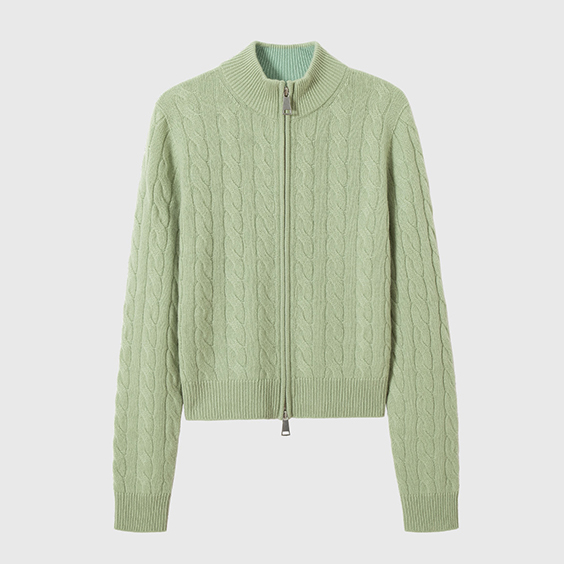
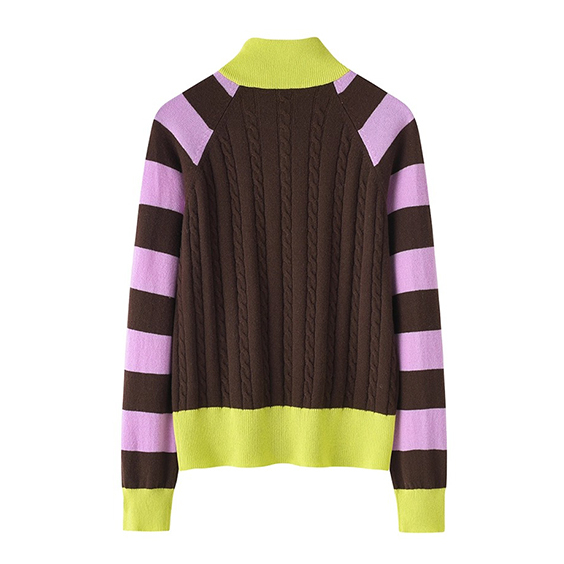
Are you looking to elevate your knitwear collection? Cashmere cardigan sweaters are a must-have for any brand aiming for luxury and quality. In today's wholesale market, the demand for sustainable and high-quality garments is skyrocketing. This article addresses the key concerns of brand owners, retailers, and sourcing managers.
In this post, you'll learn about popular styles, customization options, and effective private label solutions. We'll also cover minimum order quantities, quality control processes, and production timelines. Get ready to discover how to make your cashmere cardigan sweater line a success!
What Wholesale Buyers Really Want When Sourcing a Cashmere Cardigan Sweater
When it comes to sourcing a cashmere cardigan sweater, wholesale buyers have specific goals and concerns. Understanding these can make a significant difference in meeting their needs and ensuring successful partnerships.
The 5 Most Common Buyer Goals
1. Launching a New Knitwear Line
Many buyers are eager to introduce fresh collections. A high-quality cashmere cardigan can be the centerpiece of their lineup. They seek unique styles that resonate with their target audience, ensuring a strong market entry.
2. Upgrading from Wool Blends to Premium Cashmere
There's a noticeable shift towards premium materials. Buyers want to replace wool blends with genuine cashmere to enhance the quality and appeal of their products. This transition not only elevates their brand but also attracts discerning customers.
3. Expanding Seasonal Collections
As seasons change, so do fashion trends. Buyers look to expand their offerings to include cashmere cardigans suitable for Fall/Winter and transitional pieces for spring. This flexibility helps them cater to varying customer preferences throughout the year.
4. Adding Private Label Cashmere Cardigans for Boutiques
Private label options are increasingly popular. Retailers want to offer exclusive designs that reflect their brand identity. They seek manufacturers who can deliver high-quality cashmere cardigans tailored to their specifications.
5. Improving Margins Without Sacrificing Quality
Buyers aim to enhance their profit margins while maintaining high standards. They look for suppliers who can provide cost-effective solutions without compromising on the quality of cashmere. This balance is crucial for long-term success.
The Biggest Buyer Concerns
Buyers also have essential concerns when sourcing cashmere cardigans. Addressing these can build trust and secure orders.
● Is it Real Cashmere?
Authenticity is paramount. Buyers want assurance that the cashmere is genuine and meets industry standards. They often request certifications to verify the quality of the material.
● Will It Pill?
Pilling is a common issue with cashmere. Buyers need to know how to minimize this problem. They appreciate suppliers who can provide insights into the fabric's durability and care instructions.
● Can They Match My Design and Color?
Customization is key. Buyers want manufacturers who can replicate their designs and color palettes accurately. This capability ensures that the final product aligns with their branding and vision.
● Can They Handle My Logo and Packaging?
Branding matters. Retailers seek partners who can seamlessly integrate their logos and packaging into the production process. This adds value and enhances the overall customer experience.
● Can They Deliver on Time and Consistently?
Timely delivery is crucial in the wholesale market. Buyers want reliable suppliers who can meet deadlines consistently. Delays can affect sales and damage relationships.

Materials Guide — What “Cashmere Cardigan Sweater” Really Means
When sourcing a cashmere cardigan sweater, understanding the materials is crucial. The type of cashmere used can significantly affect the quality, feel, and durability of the garment. Here's a breakdown of what you need to know.
100% Cashmere vs. Cashmere Blends
100% Cashmere
● This is the gold standard for luxury garments.
● It offers the best hand-feel and softness, making it incredibly comfortable.
● Ideal for high-end brands aiming to provide premium products.
Cashmere + Merino Wool
● This blend balances durability and cost.
● Merino wool adds strength, making the cardigan more resistant to wear.
● It's a great option for buyers looking for quality without breaking the bank.
Cashmere + Silk
● Combining cashmere with silk enhances shine and drape.
● This blend gives a luxurious finish, perfect for elegant designs.
● It's often used in lighter cardigans that require a sophisticated look.
Cashmere + Cotton
● A lightweight blend ideal for spring and summer cardigans.
● Cotton adds breathability, making it suitable for warmer weather.
● This option appeals to brands targeting casual, everyday wear.
Cashmere Quality Factors
Several factors influence the quality of cashmere. Buyers should be aware of these to make informed decisions.
● Fiber Length and Micron
○ Longer fibers produce a smoother yarn, reducing pilling.
○ Micron measurement indicates softness; lower micron means softer cashmere.
● Yarn Count and Ply
○ Yarn count refers to the thickness; higher counts generally indicate finer quality.
○ 2-ply yarns are stronger and more durable than single-ply options.
● Gauge
○ Gauge refers to the knit's tightness.
○ Fine gauge offers a lightweight feel, while chunky gauge provides warmth and texture.
● Knit Structure and Density
○ The structure affects how the fabric drapes and holds its shape.
○ A denser knit can reduce pilling but may be less breathable.
Material Type | Benefits | Ideal Use |
100% Cashmere | Soft, luxurious | High-end fashion |
Cashmere + Merino Wool | Durable, cost-effective | Everyday wear |
Cashmere + Silk | Elegant, shiny | Formal occasions |
Cashmere + Cotton | Lightweight, breathable | Spring/Summer collections |
Common Buyer Questions About Cashmere
Buyers often have specific questions when considering cashmere products. Here are some key inquiries:
● Does Higher GSM Mean Better Quality?
○ GSM (grams per square meter) indicates fabric weight.
○ While higher GSM can suggest durability, it's not the only quality indicator.
● What Causes Pilling and How to Reduce It?
○ Pilling occurs due to friction and shorter fibers.
○ Choosing longer fibers and proper care can minimize this issue.
● How Do You Verify the Fiber Content?
○ Request certifications from suppliers to ensure authenticity.
○ Samples can also help verify the quality before bulk orders.
Understanding these material factors and common questions can help you make better sourcing decisions. This knowledge ensures your cashmere cardigan sweater line meets market demands while maintaining quality and style.
Sizing, Fit & Grading for Wholesale Cashmere Cardigan Sweaters
When it comes to sourcing a cashmere cardigan sweater, sizing and fit are paramount. Getting this right not only enhances customer satisfaction but also reduces returns. Here's what you need to know about standard sizes, fit options, and what you should provide to suppliers.
Standard Size Ranges Buyers Request
Understanding the common size ranges helps streamline the production process. Here's a breakdown of typical sizing for cashmere cardigans:
● Women's Sizes: XS to XXL
○ This range accommodates various body types, ensuring a good fit for most customers.
○ Offering a wide range can make your collection more appealing.
● Men's Sizes: S to XXXL
○ Similar to women's sizes, this range caters to different builds.
○ It's essential to consider the fit preferences of your target demographic.
● Unisex Options: Relaxed fit grading
○ Unisex styles are increasingly popular.
○ A relaxed fit appeals to a broader audience, making it versatile for different markets.
Fit Options Offered by Private Label Suppliers
Fit is crucial in how a cashmere cardigan sweater is perceived. Here are the common fit options available:
● Slim Fit
○ Tailored to hug the body, offering a sleek silhouette.
○ Ideal for fashion-forward brands targeting a younger audience.
● Regular Fit
○ A classic fit that provides comfort without being too loose or tight.
○ This is a safe option for most retailers, appealing to a wide audience.
● Oversized Fit
○ This trend is gaining traction, offering a cozy and relaxed look.
○ It's perfect for casual wear and can be marketed as loungewear.
● Cropped Fit
○ A shorter length that pairs well with high-waisted bottoms.
○ This fit is popular among younger consumers looking for trendy options.
● Longline Fit
○ Longer cardigans that provide extra coverage.
○ They are great for layering and add a chic touch to any outfit.
Fit Type | Description | Target Audience |
Slim Fit | Tailored, sleek silhouette | Fashion-forward consumers |
Regular Fit | Classic, comfortable | General audience |
Oversized Fit | Cozy, relaxed look | Casual wear enthusiasts |
Cropped Fit | Shorter length, trendy | Younger consumers |
Longline Fit | Extra coverage, stylish | Layering fans |
What Buyers Should Provide
To ensure a smooth production process, buyers should prepare specific information before placing orders. Here's what you should consider:
● Tech Pack Basics
○ This should include design specifications, materials, and construction details.
○ A well-prepared tech pack can minimize miscommunication.
● Measurement Chart
○ Providing a detailed measurement chart helps manufacturers understand sizing requirements.
○ This chart should include specific measurements for each size.
● Reference Sample
○ While optional, a reference sample can clarify your expectations.
○ It provides a tangible example of fit and quality.
● Target Fit Photos or Competitor Links
○ Sharing photos or links to competitors helps convey your vision.
○ This visual guidance can ensure alignment on style and fit.
By focusing on these aspects of sizing and fit, you can enhance the appeal of your cashmere cardigan sweater offerings. This attention to detail will help create a product that meets customer expectations and stands out in a competitive market.
Customization Options for Cashmere Cardigan Sweater Wholesale Orders
When it comes to sourcing a cashmere cardigan sweater, customization is key to standing out in a competitive market. Buyers can tailor their products to meet specific brand identities and customer preferences. Here's a closer look at the various customization options available.
Custom Color Options
Color plays a significant role in the appeal of a cashmere cardigan. Here's how you can customize colors:
● Stock Colors vs. Custom Dyeing
○ Stock colors are readily available, but custom dyeing allows for unique shades.
○ Custom options help brands differentiate themselves in the market.
● Yarn Dyeing vs. Piece Dyeing
○ Yarn dyeing involves coloring the yarn before it's knitted, resulting in richer hues.
○ Piece dyeing colors the finished garment, offering flexibility for smaller runs.
● Pantone Matching Process
○ This ensures colors align perfectly with your brand's identity.
○ Accurate color matching is essential for maintaining consistency across collections.
● Avoiding Color Inconsistency Across Batches
○ Consistency is vital for brand reputation.
○ Suppliers should have strict quality control processes to keep colors uniform.
Custom Knit Structures and Stitch Options
The knit structure can significantly impact the look and feel of a cashmere cardigan. Here are some popular options:
● Jersey Knit
○ Smooth and stretchy, perfect for everyday wear.
● Rib Knit
○ Adds texture and elasticity, ideal for cuffs and hems.
● Cable Knit
○ Offers a classic, cozy appearance, great for winter styles.
● Milano Stitch
○ Provides a polished look, often used in more refined designs.
● Waffle Textures
○ Lightweight and breathable, perfect for layering.
● Pointelle
○ A lightweight option with feminine details, ideal for spring collections.
Knit Type | Characteristics | Best Uses |
Jersey Knit | Smooth, stretchy | Everyday wear |
Rib Knit | Textured, elastic | Cuffs and hems |
Cable Knit | Classic, cozy appearance | Winter styles |
Milano Stitch | Polished, refined | Formal looks |
Waffle Textures | Lightweight, breathable | Layering |
Pointelle | Feminine, delicate | Spring collections |
Custom Trims and Components
Details matter when it comes to finishing touches. Here's what can be customized:
● Button Customization
○ Options for size, material, and even engraving.
○ Unique buttons can enhance the overall aesthetic of the cardigan.
● Neckline and Placket Variations
○ Different necklines can change the entire look of the sweater.
○ Consider options like V-neck, crew neck, or shawl collar.
● Pocket Shape and Placement
○ Customize pocket designs for functionality and style.
○ Placement can affect the silhouette and usability.
● Rib Width and Cuff Structure
○ Adjusting rib widths can create different fits and styles.
○ Cuff structure impacts how the garment sits on the wrist.
Custom Branding & Private Label Add-Ons
Branding is essential for recognition. Here's how to incorporate your brand into the cardigan:
● Woven Main Label
○ A classic choice for branding, adding a touch of quality.
● Satin Printed Label
○ Offers a softer touch and can be more flexible in design.
● Care Label
○ Important for customer satisfaction, providing care instructions.
● Hangtags and Size Labels
○ Custom hangtags can enhance the shopping experience.
○ Size labels ensure customers find the right fit.
● Brand-Specific Packaging Integration
○ Custom packaging can elevate the unboxing experience.
○ It helps reinforce brand identity from the moment the product is received.
Embroidery, Patches, and Finishing Details
Adding unique touches can set your cashmere cardigan apart. Consider these options:
● Logo Embroidery
○ Subtle placements on the chest, sleeve, or hem can enhance branding.
● Custom Monogram
○ Personalization adds a luxurious touch, appealing to high-end markets.
● Special Finishing
○ Techniques like brushing or softening can improve feel and appearance.
○ These finishes can make the cardigan more appealing to customers.
By leveraging these customization options, brands can create distinctive cashmere cardigans that resonate with their target audience. This attention to detail not only enhances product appeal but also strengthens brand identity.

Private Label Solutions — How Cashmere Cardigan Sweater Production Works
When considering a cashmere cardigan sweater for wholesale, understanding private label solutions is essential. This approach allows brands to offer unique products while leveraging the expertise of manufacturers. Here's an overview of how this process works.
What “Private Label” Means for Wholesale Cashmere
Private label refers to products made by one company for another brand to sell under its name. Here's a closer look at the terms involved:
● OEM vs. ODM Explained
○ OEM (Original Equipment Manufacturer): Produces products based on the buyer's specifications, allowing for custom designs.
○ ODM (Original Design Manufacturer): Offers both design and manufacturing services, providing ready-made solutions that can be branded.
● White Label vs. Full Customization
○ White Label: Products are manufactured without branding and can be labeled by the buyer.
○ Full Customization: Involves unique designs, materials, and specifications tailored to the buyer's needs.
End-to-End Private Label Workflow
The production of a cashmere cardigan involves several key steps. Here's a typical workflow:
1. Initial Consultation & Vision Alignment
● This step involves discussing your brand vision and goals.
● It sets the foundation for the entire project.
2. Design Discussion + Material Selection
● Collaborate on design elements and choose suitable materials.
● This is where you can specify the type of cashmere and any custom features.
3. Pattern Making + Technical Development
● Patterns are created based on the design specifications.
● Technical details are developed to ensure the garment fits perfectly.
4. Sampling & Approval
● Initial samples are produced for review.
● Feedback is crucial here to make necessary adjustments before bulk production.
5. Bulk Production with Quality Assurance
● Once approved, the manufacturer moves to bulk production.
● Quality assurance checks are conducted throughout to ensure standards are met.
6. Labeling + Packaging Integration
● Custom labels and packaging are integrated into the production process.
● This enhances brand visibility and customer experience.
7. Final Inspection + Shipping
● A final inspection ensures everything meets quality standards before shipping.
● Timely delivery is arranged to meet your market needs.
What Makes a Private Label Supplier Reliable
Choosing the right supplier is crucial for success. Here are key qualities to look for:
● Transparent Production Steps
○ A reliable supplier provides clear insights into each stage of production.
○ This transparency helps build trust and ensures alignment.
● Quality Control Checkpoints
○ Regular quality checks throughout the process minimize defects.
○ This ensures the final product meets your expectations.
● Clear Lead Times
○ Understanding production timelines helps manage inventory effectively.
○ Suppliers should provide realistic delivery estimates.
● Communication and Revision Handling
○ Open lines of communication are essential for addressing concerns.
○ A good supplier welcomes feedback and makes necessary revisions promptly.
● Consistency Across Repeat Orders
○ Consistency in quality and design is vital for brand integrity.
○ Reliable suppliers have systems in place to ensure uniformity in all orders.
By understanding these aspects of private label production, brands can effectively manage their cashmere cardigan sweater offerings. This knowledge enhances collaboration with suppliers and ultimately leads to successful product launches.
Conclusion
This article highlights the best styles, customization options, and private label workflows for cashmere cardigan sweaters. It emphasizes the importance of choosing suppliers who offer clear quality assurance, sampling, and branding support. For those interested in private label projects, engaging with Imfield is highly encouraged. Imfield provides tailored solutions and customization options to meet your specific needs. Request a sample today and discuss your vision for cashmere cardigans with Imfield to explore all available possibilities.
FAQ
Q: What is a Cashmere Cardigan Sweater?
A: A cashmere cardigan sweater is a luxurious knit garment made from cashmere wool, known for its softness and warmth.
Q: How can I customize my Cashmere Cardigan Sweater?
A: You can customize your cashmere cardigan sweater by selecting colors, knit structures, and adding unique branding elements.
Q: Why choose a private label for Cashmere Cardigan Sweaters?
A: Private label options allow you to create unique products that reflect your brand identity while leveraging manufacturer expertise.
Q: What are the benefits of Cashmere Cardigan Sweaters?
A: Cashmere cardigan sweaters offer exceptional warmth, comfort, and a timeless style that appeals to a wide audience.
Q: How do I ensure quality in my Cashmere Cardigan Sweater orders?
A: Work with suppliers who provide clear quality assurance processes, including sampling and consistent production standards.