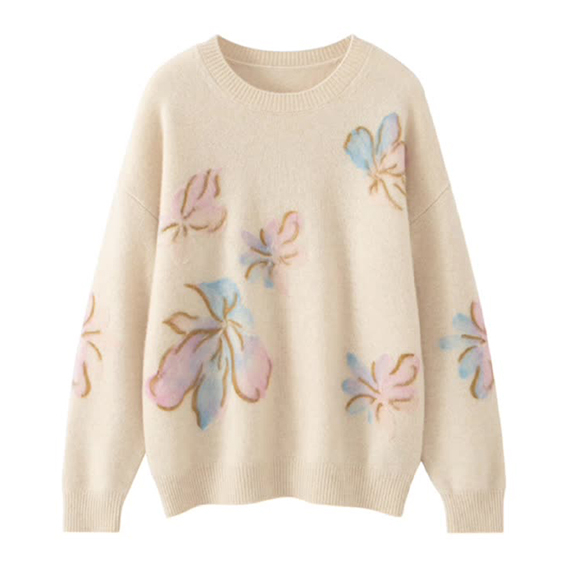
Are you tired of low-quality cashmere sweaters that pill and lose their shape? The cashmere sweater market is filled with options, but finding truly high-quality 100% cashmere sweaters can be challenging.
In this article, we'll explore how to source the best cashmere for your brand. You'll learn about key specifications, ethical sourcing practices, and quality control measures. Get ready to elevate your cashmere offerings and ensure your customers receive the luxury they deserve.
Understanding Cashmere
What is Cashmere?
Cashmere is a luxurious fiber derived from the soft undercoat of cashmere goats, primarily found in Mongolia, China, and Central Asia. Each goat produces only about 150-200 grams of usable cashmere per year, making it a rare and valuable material.
Characteristics of Cashmere Fibers:
● Softness: Cashmere fibers are finer than sheep's wool, providing an incredibly soft touch.
● Warmth: It offers excellent insulation, making it ideal for cold weather.
● Lightweight: Despite its warmth, cashmere is lightweight, ensuring comfort without bulk.
● Durability: High-quality cashmere can last for years if cared for properly.
Why Choose 100% Cashmere Sweaters?
When it comes to comfort and style, 100% cashmere sweaters stand out for several reasons.
Benefits of Cashmere Over Other Materials:
● Unmatched Softness: Cashmere feels soft against the skin, unlike many synthetic fibers that can irritate.
● Thermal Regulation: Cashmere helps maintain body temperature, keeping you warm without overheating.
● Breathability: It allows air circulation, preventing moisture buildup and ensuring comfort.
● Luxury Appeal: Wearing cashmere elevates your style, conveying sophistication and elegance.
Here's a quick comparison of cashmere with other common materials:
Material | Softness | Warmth | Durability | Breathability |
Cashmere | High | High | High | High |
Wool | Medium | Medium | Medium | Medium |
Cotton | Low | Low | Medium | High |
Synthetic Fibers | Low | Low | Low | Medium |
Choosing 100% cashmere sweaters means investing in quality. They not only provide warmth and comfort but also enhance your wardrobe with timeless elegance.
With cashmere, you get more than just a sweater; you receive a garment that embodies luxury and longevity. Whether for casual outings or formal occasions, 100% cashmere sweaters are versatile enough to suit any setting.

Key Specifications for High-Quality 100% Cashmere Sweaters
Fiber Diameter
When sourcing 100% cashmere sweaters, fiber diameter is crucial. It directly influences the softness and overall feel of the fabric.
● Importance of Fiber Diameter in Softness: Finer fibers create a softer touch. Cashmere fibers should ideally be 19 microns or less. The lower the micron count, the softer the sweater feels against the skin.
● Recommended Micron Count for Quality Cashmere: Premium cashmere typically measures around 15-16 microns. This range ensures a luxurious feel without compromising durability.
● How Fiber Diameter Affects Skin Sensitivity: Thicker fibers can irritate sensitive skin. Always request fiber diameter test reports from suppliers to ensure quality.
Fiber Length
Fiber length also plays a significant role in the quality of cashmere. It impacts both durability and the likelihood of pilling.
● Impact of Fiber Length on Durability: Longer fibers contribute to a stronger yarn structure. They create a more resilient fabric that withstands wear and tear.
● Ideal Lengths for High-Quality Cashmere: Look for fibers that exceed 34 mm. This length helps maintain the shape and reduces the chances of pilling.
● Relationship Between Fiber Length and Pilling Resistance: Shorter fibers tend to pill more easily. Longer fibers create a smoother surface, resulting in less friction and fewer pills.
Material Purity
Purity is essential when it comes to cashmere. Blends or inferior materials can compromise the quality of your sweaters.
● Importance of Pure Cashmere Without Blends: 100% cashmere sweaters should contain no synthetic fibers or lower-quality wools. This ensures the luxurious feel and warmth associated with cashmere.
● How to Verify Material Purity: Request documentation from suppliers that confirms the purity of the cashmere. Look for certifications like the Good Cashmere Standard.
● Understanding Cashmere Grades (Grade A, B, C):
○ Grade A: The highest quality, featuring long, fine fibers with no impurities.
○ Grade B: Acceptable quality, shorter fibers, and may contain some guard hairs.
○ Grade C: Lower quality, often mixed with other materials and shorter fibers.
Cashmere Grade | Fiber Length | Micron Count | Purity |
Grade A | 36 mm+ | 14-15.5 | 100% Cashmere |
Grade B | 30-34 mm | 16-19 | Some Blends |
Grade C | <30 mm | >19 | Low Purity |
Choosing high-quality cashmere requires attention to these specifications. By focusing on fiber diameter, length, and purity, you can ensure your brand offers luxurious and durable 100% cashmere sweaters that satisfy your customers.
Sourcing High-Quality 100% Cashmere
Identifying Reliable Suppliers
Finding reputable suppliers is vital for sourcing high-quality 100% cashmere sweaters. The right partner can make all the difference in the quality of your final product.
● How to Find Reputable Cashmere Suppliers: Start by researching online directories and industry trade shows. Networking within the fashion industry can also lead to valuable recommendations.
● Questions to Ask Potential Suppliers: Inquire about their sourcing practices, fiber quality, and production capacity. Ask for references from other brands they've worked with to gauge reliability.
● Importance of Supplier Transparency and Traceability: Ensure your suppliers can provide documentation regarding the origin of their cashmere. Transparency builds trust and helps maintain quality standards.
Understanding Ethical Sourcing
Ethical practices are crucial in cashmere production. They not only impact the environment but also your brand's reputation.
● Importance of Ethical Practices in Cashmere Production: The cashmere industry has faced scrutiny over animal welfare and environmental issues. Choosing ethical suppliers helps mitigate these concerns and supports sustainable practices.
● Key Certifications to Look For: Look for certifications like the Good Cashmere Standard, which ensures animal welfare and sustainable farming practices. These certifications can enhance your brand's credibility.
● The Role of Sustainable Cashmere Sourcing in Brand Reputation: Customers increasingly value sustainability. By sourcing ethically, you can differentiate your brand and attract conscious consumers.
Evaluating Supplier Quality Control
Quality control is essential in ensuring the final product meets your standards. A robust quality control process can prevent defects and ensure consistency.
● What Quality Control Measures Should Be in Place? Suppliers should have established protocols for inspecting raw materials and finished products. This includes checks at every production stage.
● Importance of Multi-Stage Inspection Processes: Quality should be assessed from fiber selection through to the finished sweater. This ensures any issues are caught early and addressed promptly.
● Quality Control Checks: Common checks include yarn inspection for consistency, monitoring during knitting for tension, and finishing inspections to ensure softness and durability.
Quality Control Stage | Key Focus Areas |
Yarn Inspection | Fiber consistency, color match |
Knitting | Tension control, pattern accuracy |
Finishing | Softness, durability, final appearance |
By focusing on these aspects, you can ensure that the 100% cashmere sweaters you offer are of the highest quality. Partnering with reliable suppliers who prioritize ethical practices and rigorous quality control will set your brand apart in a competitive market.
The Cashmere Production Process
From Fiber to Yarn
The journey of creating 100% cashmere sweaters starts with transforming raw cashmere fibers into yarn. This process is critical for ensuring the quality of the final product.
● Overview of the Yarn Production Process: First, cashmere fibers are carefully sorted and cleaned to remove impurities. Then, they are carded and spun into yarn. This spinning process can vary, affecting the texture and strength of the yarn.
● Importance of Yarn Quality in Cashmere Sweaters: High-quality yarn is essential for a luxurious feel and durability. The finer and longer the fibers, the better the yarn, leading to softer and more resilient sweaters.
Knitting Techniques
Once the yarn is prepared, it's time to knit it into sweaters. The knitting technique used significantly impacts the quality of the finished product.
● Common Knitting Methods for Cashmere Sweaters: The most common methods include flat knitting and circular knitting. Flat knitting is often used for sweaters with seams, while circular knitting creates seamless designs.
● How Knitting Affects the Final Product Quality: The tension and technique during knitting determine the sweater's drape and fit. Properly knitted cashmere retains its shape and provides comfort.
● The Role of Ply (Single-Ply vs. Two-Ply) in Cashmere Quality: Single-ply yarns are lighter and softer, while two-ply yarns are thicker and more durable. Choosing the right ply depends on the desired feel and durability of the final sweater.
Finishing Touches
Finishing processes are crucial for enhancing the quality of cashmere sweaters. They add the final touches that elevate the product.
● Importance of Washing and Finishing Processes: Washing removes any residual oils and dirt, softening the yarn. Finishing processes include steaming and pressing to ensure the right shape and feel.
● How Finishing Affects Softness and Durability: Proper finishing enhances softness while also increasing the durability of the fabric. It helps prevent pilling, which is a common issue in cashmere.
● Quality Assurance Checks After Washing: After the finishing processes, quality checks are essential. Inspecting for consistency, softness, and any defects ensures that only the best products reach consumers.
Production Stage | Key Focus Areas |
Fiber to Yarn | Sorting, cleaning, spinning |
Knitting Techniques | Tension control, method choice |
Finishing Touches | Washing, pressing, quality checks |
By understanding each step in the cashmere production process, you can better appreciate the craftsmanship behind 100% cashmere sweaters. This knowledge is vital for ensuring your brand delivers high-quality products that customers will love.

Testing and Quality Assurance
How to Test for Quality
Ensuring the quality of 100% cashmere sweaters involves a series of tests designed to assess their performance and durability. Proper testing can help identify potential issues before products reach consumers.
● Recommended Tests for Pilling and Shrinkage: Pilling tests simulate wear and tear to evaluate how the fabric holds up over time. Shrinkage tests assess how much the garment may shrink after washing, which is crucial for maintaining size and fit.
● Importance of Laboratory Testing for Cashmere: Laboratory testing provides objective data on various quality metrics. It helps brands ensure their products meet industry standards and consumer expectations.
● Standardized Tests for Assessing Cashmere Performance: Common tests include the Martindale test for abrasion resistance and the wash fastness test. These standardized methods help compare different cashmere batches and ensure consistent quality.
Common Defects to Watch For
Even high-quality cashmere sweaters can have defects. Being aware of these issues can help maintain your brand's reputation.
● Typical Defects in Cashmere Sweaters: Common defects include pilling, uneven dyeing, and loose seams. Each of these can affect the aesthetic and functional quality of the garment.
● How to Identify and Address These Defects: Regular inspections during production can catch defects early. For instance, checking for pilling can be done using visual assessments or by running a pilling test on samples.
● Visual Inspection Techniques for Quality Assurance: Use good lighting and a magnifying glass to inspect the fabric closely. Look for inconsistencies in color, texture, and stitching to ensure high standards are met.
Defect Type | Identification Method | Potential Solutions |
Pilling | Visual inspection, pilling test | Use higher-quality yarns |
Uneven Dyeing | Color matching assessment | Adjust dyeing process |
Loose Seams | Manual seam checks | Reinforce seams during production |
By implementing thorough testing and quality assurance measures, you can ensure that your 100% cashmere sweaters meet the highest standards. This commitment to quality not only enhances customer satisfaction but also strengthens your brand's reputation in the marketplace.
Logistics and Delivery
Navigating Import Logistics
When sourcing 100% cashmere sweaters, understanding the logistics of importing is essential. Efficient logistics can save time and reduce costs.
● Overview of Logistics for Cashmere Imports: Importing cashmere involves several steps, from sourcing to shipping. It's crucial to coordinate between suppliers, customs, and transportation services to ensure smooth operations.
● Importance of Reliable Shipping Methods: Choosing reliable shipping methods can minimize delays and damage. Options like air freight offer speed, while sea freight is more cost-effective for larger shipments but takes longer.
● DDP (Delivered Duty Paid) Shipping Benefits for Cashmere: DDP shipping simplifies the process by including all costs up to delivery. This means you won't face unexpected fees at customs, making budgeting easier and ensuring a smoother delivery process.
Ensuring Timely Delivery
Timely delivery is vital, especially during peak seasons when demand for 100% cashmere sweaters spikes. Here are some strategies to keep your operations on track.
● Strategies to Ensure On-Time Delivery During Peak Seasons: Plan ahead by forecasting demand and placing orders early. Consider increasing inventory levels before busy periods to avoid stockouts.
● Importance of Clear Communication with Suppliers: Maintain open lines of communication with your suppliers. Regular updates on production schedules and shipping timelines can help you anticipate any potential delays.
● Managing Logistics Challenges During High-Demand Periods: Be prepared for challenges like increased shipping costs or delays. Having contingency plans, such as alternative suppliers or shipping routes, can help mitigate these issues.
Logistics Aspect | Key Considerations |
Shipping Methods | Air freight vs. sea freight |
Communication | Regular updates with suppliers |
Contingency Planning | Alternative suppliers and routes |
By navigating logistics effectively and ensuring timely delivery, you can maintain a steady supply of high-quality 100% cashmere sweaters. This not only meets customer expectations but also strengthens your brand's reputation in the market.
Conclusion
Sourcing high-quality 100% cashmere sweaters is crucial for any brand. It enhances product appeal and customer satisfaction. Investing in quality materials positively impacts brand reputation. Brands should explore various sourcing options to ensure excellence. Engaging with experts like Imfield can provide valuable insights. Imfield offers exceptional products that deliver outstanding value, ensuring your cashmere sweaters stand out in the market.
FAQ
Q: What are 100% cashmere sweaters made from?
A: 100% cashmere sweaters are made from the soft undercoat of cashmere goats, providing unmatched warmth and luxury.
Q: How do I ensure the quality of 100% cashmere sweaters?
A: To ensure quality, test for pilling and shrinkage, and choose reputable suppliers who prioritize high standards.
Q: Why should I invest in high-quality 100% cashmere sweaters for my brand?
A: Investing in high-quality 100% cashmere sweaters enhances your brand's reputation and attracts discerning customers.
Q: What is the average cost of sourcing 100% cashmere sweaters?
A: The cost varies based on quality and supplier, but expect to pay a premium for genuine 100% cashmere sweaters.
Q: How can I troubleshoot issues with my cashmere sweaters?
A: Common issues include pilling and shrinkage. Regular inspections and proper care can help maintain their quality.