Introduction
Are your scarves stylish but rarely worn? Many women buy scarves, yet struggle to find ones that truly work. It often comes down to comfort, quality, and versatility.
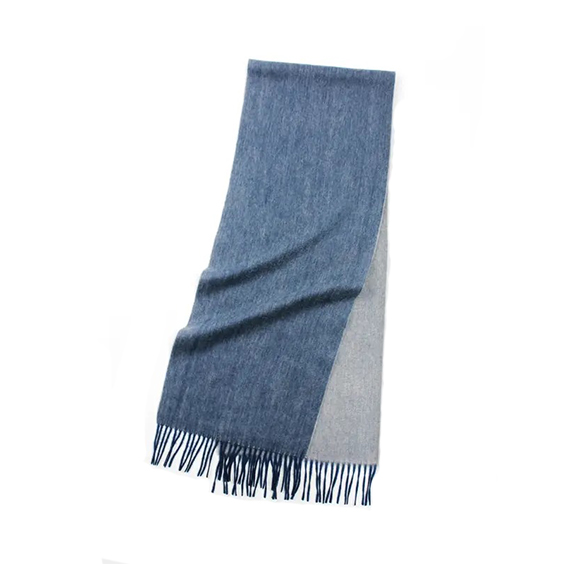
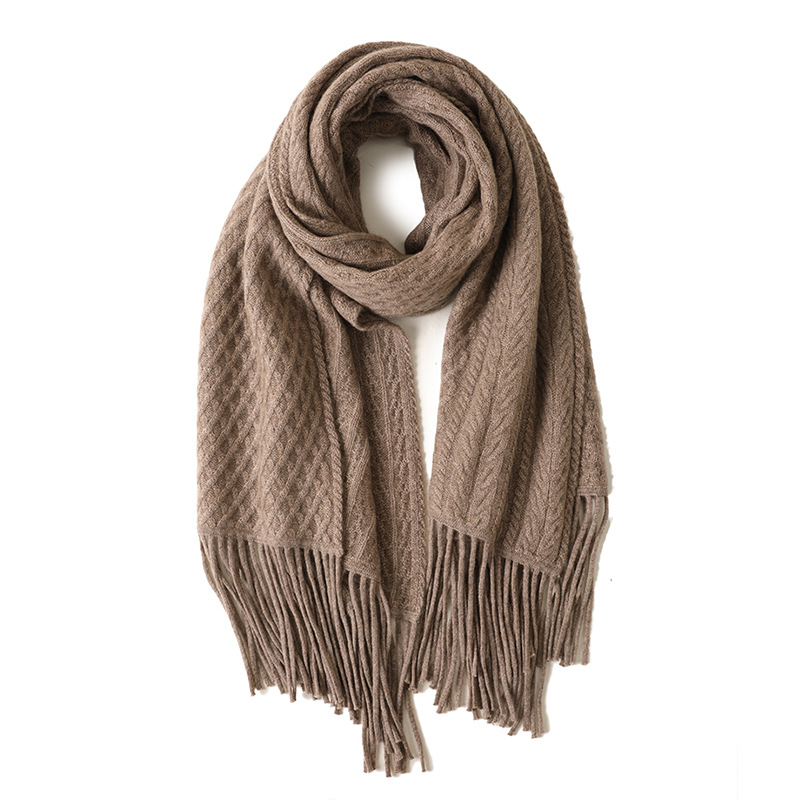
In this article, you will learn how to choose the best sustainable scarves, understand key materials, and find styles that match your lifestyle and wardrobe.
What Makes Sustainable Scarves Worth Buying in 2026
What Defines a Sustainable Scarf Today
A sustainable scarf is not just about one “green” label. It is about how the scarf is made, used, and kept over time. When we talk about sustainable scarves, we usually look at three core parts:
Material sourcing
The fibers should come from responsible sources. Organic cotton, recycled wool, or plant-based fabrics reduce environmental pressure. They also tend to feel better on the skin over time.
Production process
It matters how the scarf is made. Lower water use, safer dyes, and fair labor practices all play a role. If a brand explains its process clearly, it usually signals better transparency.
Product lifecycle
A good scarf should last for years, not months. Durability reduces waste. It also means you buy fewer scarves overall, which is often the most sustainable choice.
Key Materials Used in Sustainable Scarves
When choosing scarves, material is the first thing to check. It affects comfort, warmth, durability, and even how often you will wear it. Not all “sustainable” fabrics perform the same way.
Let’s break down the most common options:
1. Organic Cotton Scarves
Organic cotton scarves are lightweight and breathable. They work well in spring, fall, and indoor settings. Many women prefer them for sensitive skin because they feel soft and less irritating.
Comfortable for daily wear
Easy to wash and maintain
Not ideal for very cold weather
2. Wool, Recycled Wool, and Cashmere
Wool-based scarves are the go-to for warmth. Recycled wool reduces waste, while cashmere adds softness and a more premium feel. These scarves are often thicker and more insulating.
Strong heat retention in winter
Works well with coats and layered outfits
Requires more careful washing and storage
3. Plant-Based Fibers (TENCEL™, Viscose Alternatives)
These scarves feel smooth and flowy. They are often used in lightweight fashion scarves. Many women choose them for a more polished or elegant look.
4. Recycled Blends
Recycled blends combine different fibers to balance performance and sustainability. You might see blends like recycled polyester with cotton or wool.
Durable and often wrinkle-resistant
Helps reduce textile waste
Quality varies depending on blend ratio
Here is a quick comparison to help you choose:
| Material | Feel | Warmth Level | Best Use |
| Organic Cotton | Soft, breathable | Low–Medium | Everyday, layering |
| Wool / Recycled Wool | Textured, warm | High | Winter wear |
| Cashmere Blend | Very soft | Medium–High | Premium styling |
| TENCEL™ / Viscose | Smooth, light | Low | Fashion scarves |
| Recycled Blends | Mixed feel | Medium | Versatile use |
When choosing between these, think about how you actually wear scarves. If you commute in cold weather, warmth matters more. If you travel often, lightweight and easy-care fabrics may be better.
Also, pay attention to fabric density and finish, not just material names. A poorly made wool scarf can feel rough. A well-made recycled blend can feel surprisingly soft. Quality always comes down to both material and construction.

The 9 Best Sustainable Scarves For Women 2026
Recycled Wool Oversized Scarf
A recycled wool oversized scarf is one of the most practical choices for winter. It offers strong insulation while reducing the need for virgin wool production. Many women prefer this type because it combines sustainability with real functionality, especially during daily commutes or outdoor activities.
The oversized design makes it more versatile. You can wrap it tightly around the neck on colder days, or drape it loosely for a relaxed look. It works well with coats, puffer jackets, and even simple knitwear, making it a reliable everyday scarf.
In terms of durability, recycled wool scarves tend to hold their shape well. They are less likely to stretch out compared to lightweight fabrics. However, the texture can feel slightly rough depending on the blend, so checking the finish is important before buying.
Organic Cotton Lightweight Scarf
An organic cotton scarf is ideal for women who want something easy to wear across different seasons. It feels breathable and soft, making it suitable for mild weather, indoor environments, or travel. Many people choose this type when they want comfort without bulk.
This kind of scarf works especially well for layering. It pairs naturally with casual outfits like denim jackets, cardigans, or light coats. Because it is not too thick, it can also be folded and packed easily, which makes it a good option for everyday use.
From a care perspective, organic cotton scarves are usually simple to maintain. They can often be machine washed, and they do not require special storage. However, they do not provide strong warmth, so they may not be the best choice for colder climates.
Recycled Cashmere Blend Scarf
A recycled cashmere blend scarf offers a more refined feel while still supporting sustainable practices. It combines the softness of cashmere with recycled fibers, creating a balance between comfort and responsibility. Many women choose this option when they want something that looks and feels more premium.
The texture is usually smoother and softer than standard wool scarves. This makes it more comfortable for long wear, especially around the neck. It also drapes better, which adds a more polished look to both casual and formal outfits.
Although it feels luxurious, it still requires proper care. Cashmere blends can be prone to pilling if handled roughly. Gentle washing and careful storage will help maintain its quality over time, allowing the scarf to remain a long-term wardrobe piece.
Merino Wool Ribbed Scarf
A merino wool ribbed scarf offers a strong balance between warmth and breathability. It feels lighter than traditional wool, yet still provides enough insulation for cooler days. Many women choose merino because it adapts well to different temperatures, making it useful beyond just winter.
The ribbed texture adds subtle structure without looking too heavy. It works well with minimalist wardrobes, especially when paired with tailored coats or simple knitwear. The clean lines and understated design make it easy to wear repeatedly without feeling repetitive.
In terms of comfort, merino wool is usually softer than standard wool. It sits comfortably against the skin for long periods, which makes it suitable for daily use. However, like most wool products, it benefits from gentle care to maintain its softness over time.
TENCEL™ or Lyocell Blend Scarf
A TENCEL™ or lyocell blend scarf is a good choice for women who prefer a smooth and lightweight feel. The fabric has a soft, almost silky texture that drapes naturally, creating a more refined and polished look. It works especially well in outfits that lean toward a clean or modern style.
This type of scarf is often chosen for transitional seasons or indoor wear. It does not add bulk, which makes it easy to layer with blazers, light coats, or even dresses. The fluid movement of the fabric also enhances the overall appearance without requiring much effort in styling.
While it looks elegant, it does not provide strong warmth. It is better suited for mild climates or as a decorative layer. The material is generally breathable, which adds to its comfort during extended wear.
Alpaca Blend Winter Scarf
An alpaca blend scarf is designed for colder environments where warmth is a priority. It has a naturally insulating structure that traps heat effectively, making it ideal for winter use. Many women appreciate its ability to provide warmth without feeling overly heavy.
The texture is typically soft with a slightly fluffy finish. This gives the scarf a cozy and luxurious appearance. It pairs well with winter coats and adds depth to simple outfits, especially in neutral or earthy tones.
Although it feels comfortable, some alpaca blends may shed slightly over time. Proper care and storage can help reduce this. Overall, it remains a strong option for those who need reliable warmth combined with a softer touch.
Deadstock Fabric Fashion Scarf
A deadstock fabric scarf is made from leftover materials that would otherwise go unused. This approach reduces waste while offering more unique design options. Many of these scarves are produced in limited quantities, which adds to their appeal.
The designs often stand out more compared to standard scarves. You may find interesting prints, textures, or color combinations that are not widely available. This makes them a good choice for women who want to add personality to their outfits.
Because the materials vary, the feel and performance can differ from one scarf to another. It is important to check fabric details before buying. Still, for those who value individuality and sustainability, this type of scarf offers a distinctive option.
Artisan-Made Natural Fiber Scarf
An artisan-made scarf focuses on craftsmanship and natural materials. These scarves are often handmade using wool, cotton, or other fibers, which gives each piece a unique character. Many women choose them for their authenticity and attention to detail.
The texture and finish may vary slightly, which reflects the handmade process. This adds a sense of individuality that mass-produced scarves often lack. It also makes them meaningful pieces, especially when used as gifts or special additions to a wardrobe.
In terms of styling, artisan scarves can work with both casual and refined outfits. Their natural look blends well with simple clothing, allowing the craftsmanship to stand out without being overwhelming.
Minimalist Neutral Sustainable Scarf
A minimalist neutral scarf is one of the most practical choices for everyday wear. It focuses on simple colors like black, grey, beige, or cream, which makes it easy to match with different outfits. Many women prefer this type because it reduces the need for multiple scarves.
The design is usually clean and timeless. It does not rely on patterns or bold details, which allows it to stay relevant across seasons. This makes it especially suitable for capsule wardrobes, where versatility is important.
Although the style is simple, the quality of the fabric becomes more important. A well-made neutral scarf can elevate an entire outfit, while a low-quality one may look flat. Choosing the right material ensures that it remains both functional and visually appealing.
How to Choose and Care for Sustainable Scarves
How to Choose the Right Scarf for Your Lifestyle
Choosing scarves becomes much easier when you start from your daily habits. We often buy based on looks, but real satisfaction comes from how the scarf performs in daily use. Climate plays a major role here. A thick wool scarf feels great in winter, but it quickly becomes uncomfortable in mild weather.
To simplify the decision, think in terms of usage scenarios:
Cold weather use
Thick scarves like wool, alpaca, or cashmere blends trap heat effectively. They work best for outdoor commuting, travel, or long exposure to low temperatures. These scarves usually need larger dimensions so you can wrap them properly.
Mild or transitional seasons
Lightweight scarves made from cotton or TENCEL™ feel easier to wear. They do not add bulk, so they layer well over light jackets or sweaters. Many women prefer them for indoor settings or short outings.
Daily outfit matching
A scarf should integrate into your wardrobe without effort. Neutral colors help, but texture also matters. Smooth scarves give a polished look, while ribbed or chunky styles feel more casual.
Here is a quick selection guide:
| Situation | Best Scarf Type | Why It Works |
| Winter commute | Wool / Alpaca | Strong warmth and coverage |
| Office / indoor | Cotton / Lyocell | Breathable and lightweight |
| Travel | Medium-weight blends | Easy to pack and reuse |
| Sensitive skin | Soft merino / cotton | Less irritation |
Comfort is often underestimated. If a scarf feels itchy or too heavy, you will stop wearing it. Always prioritize how it feels against your skin, especially for long wear.

How to Balance Price, Quality, and Sustainability
When buying scarves, price alone does not tell the full story. A higher price can mean better materials, but not always. What really matters is how often you wear it and how long it lasts.
A helpful way to think about this is cost-per-wear. Instead of focusing on the upfront price, consider how many times you will realistically use the scarf. A slightly more expensive scarf that you wear every week often becomes the better value.
When a scarf is worth the investment
It feels comfortable from the first wear. The material holds its shape. It matches multiple outfits easily. These factors increase usage, which improves value over time.
When to be cautious
Some scarves are priced high but offer basic materials or weak construction. If the product description is vague or lacks fabric details, it is better to pause and compare options.
How sustainability fits into pricing
Sustainable scarves may cost more due to better sourcing and production. However, they often last longer, which balances the cost. It is not about buying the most expensive option, but choosing one that delivers consistent use.
How to Care for and Maintain Your Scarves
Proper care keeps scarves looking and feeling good for years. Many people overlook this part, but maintenance directly affects how sustainable your purchase really is. A well-cared scarf reduces the need for replacement.
Start by understanding the fabric. Different materials need different handling. Wool and cashmere require gentle washing, while cotton scarves are usually easier to manage.
Washing tips
Use cold water for most scarves. Gentle detergents help preserve fibers. Hand washing is often safer for delicate materials. Machine washing can work for cotton, but always use a gentle cycle.
Drying methods
Avoid hanging heavy scarves when wet. It can stretch the fabric. Lay them flat on a clean surface instead. This helps maintain shape and structure.
Preventing pilling and damage
Friction causes most pilling. Try not to rub scarves against rough surfaces. A fabric comb can remove small pills without damaging the material.
Storage also plays an important role:
| Storage Method | Benefit | Best For |
| Folded in drawer | Maintains shape | Wool, cashmere |
| Hanging (lightweight only) | Easy access | Cotton, thin scarves |
| Fabric bags | Dust protection | Seasonal storage |
Rotating scarves between seasons helps reduce wear. If you use the same one every day, it will age faster. Giving each scarf some rest keeps it in better condition over time.
Conclusion
Sustainable scarves offer comfort, style, and long-term value when chosen wisely. From wool warmth to cotton breathability, each option serves different needs. IMField provides high-quality scarves using responsible materials and thoughtful design. Their products balance durability, comfort, and modern style, helping women build practical and sustainable wardrobes.
FAQ
Q: What are sustainable scarves made of?
A: Sustainable scarves use organic cotton, wool, or recycled fibers for lower impact.
Q: How do I choose scarves for winter?
A: Choose wool or alpaca scarves for better warmth and insulation.
Q: Are sustainable scarves more expensive?
A: Some scarves cost more upfront but last longer, offering better value.
Q: How should I wash scarves safely?
A: Wash scarves in cold water and avoid harsh drying to protect fibers.
Q: Why choose sustainable scarves over regular ones?
A: Sustainable scarves reduce waste and often feel more comfortable for daily wear.