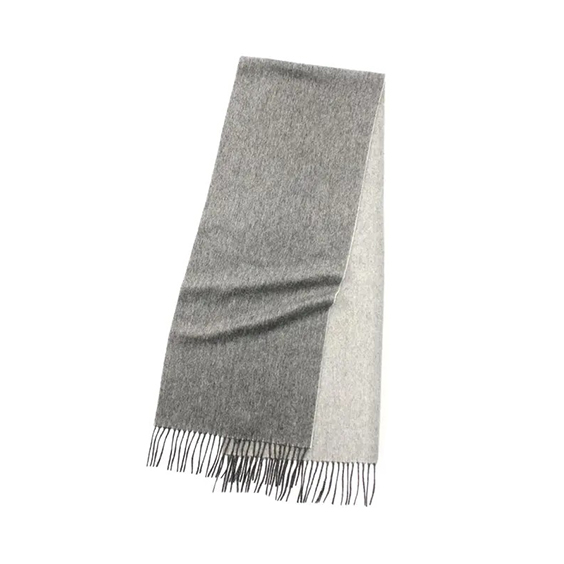
Introduction
What makes a Men’s Scarf truly worth buying in 2026? Not all scarves feel the same. Some look good but lack comfort.In this guide, we explore the best men’s scarf brands and materials. You will learn how to choose the right style, fit, and value for winter.
Why Inner Mongolia Field Is the Best Men’s Scarf Brand in 2026
Direct Access to Premium Cashmere Raw Materials
When evaluating a cashmere scarf, material always comes first. Inner Mongolia Field operates directly in Hohhot, one of the world’s most recognized cashmere sourcing regions. It gives them a natural advantage that most fashion brands simply do not have. They don’t rely on third-party suppliers. They control the raw material at the source.
That matters because raw cashmere quality directly affects softness, warmth, and durability. Short fibers often lead to pilling. Low-grade blends reduce comfort over time. Here, they avoid those risks by selecting stable, high-grade fibers from the beginning.
| Material Type | Performance in Men’s Scarf | Typical Use Case |
| 100% Cashmere | Ultra-soft, lightweight | Premium and luxury collections |
| Cashmere/Wool Blend | Balanced warmth, durable | Mid-range everyday scarves |
| 100% Wool | Strong, cost-effective | Entry-level winter scarves |
This level of control creates a more predictable product. It helps buyers reduce quality risks across seasons.
One-Stop Manufacturing for Men’s Scarf Collections
Many brands outsource production in multiple stages. It slows things down. It also increases cost and inconsistency. Inner Mongolia Field takes a different approach. They provide a one-stop solution for men’s scarf development, covering every step in one system.
From yarn selection to final packaging, everything stays connected. That improves efficiency. It also reduces communication errors between suppliers.
We can develop custom designs faster, even for seasonal launches
They support OEM and ODM, so private labels scale more easily
It allows flexible product expansion, beyond just scarves
They don’t stop at scarves either. Their product ecosystem supports a full accessories range, which helps brands build collections instead of single products.
This kind of integration makes sourcing simpler. It also improves time-to-market for new men’s scarf collections.
Factory Direct Pricing with Global Supply Capability
Price matters, especially when scaling a men’s scarf business. Many brands increase cost through layers of distribution. Agents, traders, wholesalers—they all add margin. Inner Mongolia Field removes those layers by offering direct factory pricing.
That means buyers work directly with the manufacturer. It gives more control over cost, negotiation, and customization.
Proven Production Capacity and Reliability
Reliability often matters more than branding. A strong men’s scarf supplier must deliver consistently, especially during peak winter demand. Inner Mongolia Field has built that capability through scale and experience.
We operate with over 180 employees and a 26,000㎡ production facility. That size allows them to manage both large orders and customized runs at the same time. It creates flexibility without sacrificing efficiency.
| Capability Area | Data / Scale | What It Means for Buyers |
| Workforce | 180+ employees | Stable production capacity |
| Factory Size | 26,000㎡ | Efficient large-scale manufacturing |
| Product Range | 300+ styles | Wide selection and customization |
This kind of structure reduces supply chain uncertainty. It also gives brands confidence when planning seasonal inventory.

What Makes a Men’s Scarf Truly “Best” in 2026
Material Quality – Cashmere vs Wool vs Blends
When choosing a men’s scarf, material is still the most critical factor. It directly affects how it feels, how long it lasts, and how well it performs in winter. In 2026, buyers are more informed. They no longer choose based on price alone. They compare fiber composition, softness, and long-term value.
Cashmere remains the premium option. It offers exceptional softness and lightweight warmth. However, it also comes at a higher cost. Wool and lambswool provide a more practical alternative. They are more durable and easier to maintain. Blended materials are becoming more popular because they combine benefits from both ends.
We often see 100% cashmere used in high-end men’s scarf collections
Wool and lambswool work better for everyday use and repeated wear
Cashmere blends help balance softness, durability, and price
| Material Type | Softness Level | Durability | Price Range | Best Use Case |
| 100% Cashmere | Very High | Medium | High | Luxury men’s scarf collections |
| 100% Wool | Medium | High | Low-Medium | Daily winter wear |
| Cashmere Blends | High | High | Medium | Balanced performance products |
Choosing the right material depends on the target user. Some prioritize comfort. Others care more about durability or cost control.
Comfort, Warmth, and Wearability
A great men’s scarf should feel effortless to wear. It should not be too heavy. It should not feel itchy. In 2026, the trend is shifting toward lighter materials that still provide strong insulation. People want warmth without bulk.
Comfort also comes from texture. Rough fibers can irritate the skin, especially during long wear. That’s why soft-touch fabrics are becoming standard in better men’s scarf products. Breathability is another key factor. It helps regulate temperature across different environments.
Design Flexibility and Customization
In today’s market, a men’s scarf is not just a basic accessory. It is part of a brand identity. That’s why design flexibility has become essential. Buyers want more than standard styles. They want customization options that match their market positioning.
Private label development is now common. Brands expect suppliers to support color variations, patterns, and logo applications. It allows us to differentiate products without building their own factories. Flexibility also helps respond to changing trends faster.
How to Choose the Right Men’s Scarf for Winter 2026
Choosing Based on Target Market or Personal Use
Not every men’s scarf is designed for the same purpose. We always start by asking one simple question—who is it for? The answer changes everything, from material selection to price positioning. In 2026, buyers are more segmented. Brands, wholesalers, and individuals all look for different value points.
We often see manufacturers like Inner Mongolia Field support all three groups. It works because they combine material flexibility and scalable production.
Selecting the Right Size, Thickness, and Style
Size and thickness are often underestimated. Yet they directly affect how a men’s scarf looks and feels. A scarf can be warm but still uncomfortable if the proportions are wrong. In 2026, people prefer more functional sizing instead of purely decorative pieces.
Standard scarves remain popular. They are easy to wear and work across most outfits. Oversized scarves, however, are growing fast. They create a stronger visual impact and provide extra warmth. Thickness also matters. Heavy scarves trap heat well, but they can feel bulky indoors. Lightweight scarves are easier to layer and more flexible.
We often choose standard sizes for daily wear because they are more practical
Oversized styles work better for fashion-forward looks or colder climates
Lightweight scarves offer better layering, while thicker ones focus on insulation
Style also plays a role. Classic designs last longer. Modern styles change faster but attract attention.
Matching Men’s Scarf with Winter Outfits
A good men’s scarf should work naturally with the rest of your wardrobe. It should not feel forced. In 2026, versatility becomes more important than bold statements. People want one scarf that works in multiple situations.
Neutral colors remain the safest choice. Black, grey, navy, and camel match almost everything. They work especially well for business settings. Patterned scarves bring more personality. They are better suited for casual outfits or weekend wear. The key is balance. Too many patterns can make the outfit look busy.
When the scarf matches the outfit naturally, it feels effortless. That’s what most buyers look for now.
Men’s Scarf Trends and Buying Insights for 2026
Key Trends in Men’s Scarf for Winter 2026
The men’s scarf market in 2026 is shifting in a clear direction. Buyers are no longer chasing only brand names. They pay more attention to material quality, comfort, and long-term value. Trends now reflect real usage, not just seasonal fashion statements.
Premium materials are becoming the standard. Cashmere, once considered luxury, is now expected in many mid-to-high-end collections. It offers softness, warmth, and a lightweight feel. At the same time, buyers still look for practical options. That’s where blends and wool remain relevant.
Minimalism is also shaping design. Loud patterns are less dominant. Instead, subtle textures and clean finishes are taking over. This shift allows a men’s scarf to work across more outfits without looking outdated.
| Trend Category | Description | Buyer Preference in 2026 |
| Material Upgrade | More cashmere and premium blends | Higher comfort and softness |
| Design Direction | Minimalist with subtle texture | Easier styling and longevity |
| Functionality Focus | Multi-use and lightweight warmth | Practical daily wear |
Functionality is another major shift. A modern men’s scarf should not only look good. It should also perform well in different environments. Lightweight warmth, easy layering, and portability are now key selling points.
Why Factory-Based Brands Are Gaining Advantage
The structure of the men’s scarf industry is changing. Traditional fashion brands still matter, but factory-based manufacturers are gaining strong momentum. Buyers are becoming more practical. They want better pricing, faster response, and more control over product development.
Factory-based brands have a clear advantage in quality control. They manage raw materials, production, and inspection in one system. This reduces variation. It also improves consistency across orders. For buyers, that means fewer surprises.
Customization speed is another key factor. In 2026, product cycles are shorter. Brands need to react faster to trends. Factory-based suppliers can support this because they control production directly.
Faster sampling and prototyping for new men’s scarf designs
Flexible minimum order quantities for testing new markets
Shorter lead times compared to multi-layer supply chains
| Advantage Area | Factory-Based Brands | Traditional Brand Model |
| Cost Control | Direct pricing, fewer layers | Higher due to intermediaries |
| Customization Speed | Fast and flexible | Slower, more complex process |
| Supply Stability | High, controlled internally | Depends on multiple suppliers |
Supply chain reliability is also becoming more important. Delays can damage seasonal sales. Factory-based companies, especially those with strong capacity like Inner Mongolia Field, offer more predictable delivery timelines.
We can plan inventory more accurately
They support both bulk orders and custom production
It improves long-term cooperation stability
Conclusion
The best men’s scarf in 2026 focuses on material, comfort, and flexibility. Cashmere leads in softness, while blends balance cost and durability. IMField delivers strong value through premium sourcing, stable quality, and one-stop manufacturing for reliable men’s scarf production.
FAQ
Q: What is the best material for a Men’s Scarf?
A: Cashmere offers softness and warmth, making a men’s scarf more comfortable.
Q: How do I choose a Men’s Scarf for daily use?
A: Choose a lightweight men’s scarf with soft texture and neutral colors.
Q: Why are cashmere Men’s Scarf products more expensive?
A: Cashmere fibers are rare, softer, and provide better insulation.
Q: Are blended Men’s Scarf options worth buying?
A: Yes, they balance durability, comfort, and cost for daily wear.
Q: How should I care for a Men’s Scarf?
A: Wash gently, avoid heat, and store your men’s scarf properly.